Calluses Are Not the Enemy
Calluses are protective. Removing them all is a mistake. Here's how to manage them without making them worse.
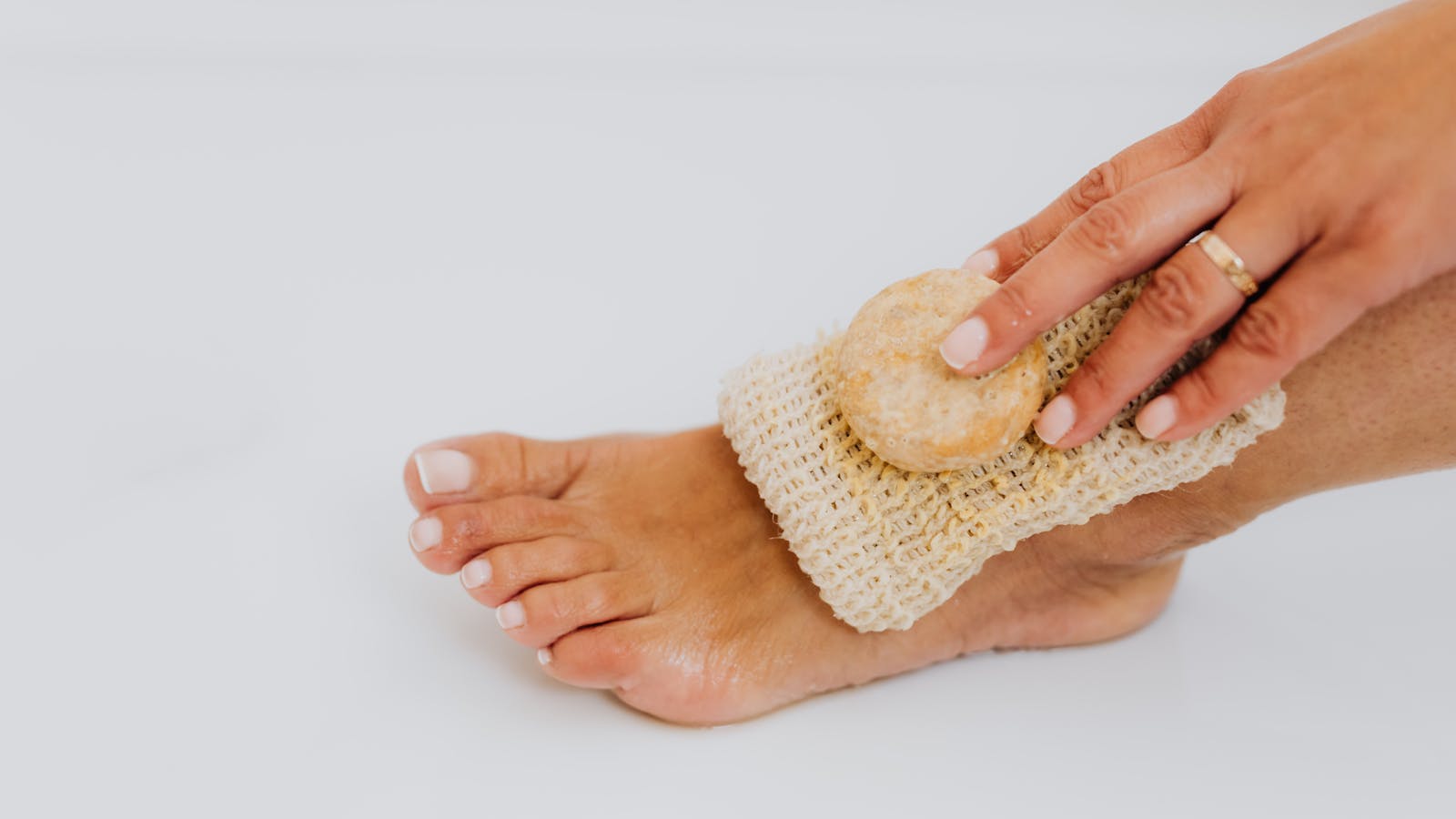
Calluses get a bad reputation. They're not a flaw — they're your skin doing its job. When you walk, your foot presses into the ground over and over. The skin thickens at those pressure points to protect the tissue underneath. The problem isn't the callus. The problem is when the callus gets thicker than the protection actually requires.
When a callus is fine
- It's smooth and even
- It doesn't hurt
- It matches the rest of the foot in color
- It doesn't crack at the edges
When a callus needs attention
- It hurts when you press on it (could be a corn underneath)
- It has a darker spot or dot inside it (could be a plantar wart, or pinched blood vessels)
- It's cracked at the edges (especially heels)
- You have diabetes or poor circulation — even painless calluses deserve professional removal
What not to do at home
Razor blades and metal scrapers cause more callus problems than they solve. Skin that's been cut responds by thickening even more. Pumice stones used dry are too aggressive. Liquid 'callus removers' often eat through healthy skin around the edges.
What does help
- 1Soak briefly in warm water (5–10 minutes is plenty)
- 2Use a wet pumice stone in one direction, lightly
- 3Moisturize with a urea-based cream every night
- 4Look at your shoes — most calluses are a shoe problem in disguise
Have something specific going on?
The first consultation is free. Pick a service or just send a message — I'll get back to you with times.
- Complete Foot CareLearn more →From $70 · 30–40 min
- In-home Foot CareLearn more →From $70 · 30–45 min