Plantar Warts in Kids: When to Treat
Most kids' plantar warts go away on their own. Here's how to tell when to wait, and when to actually do something.
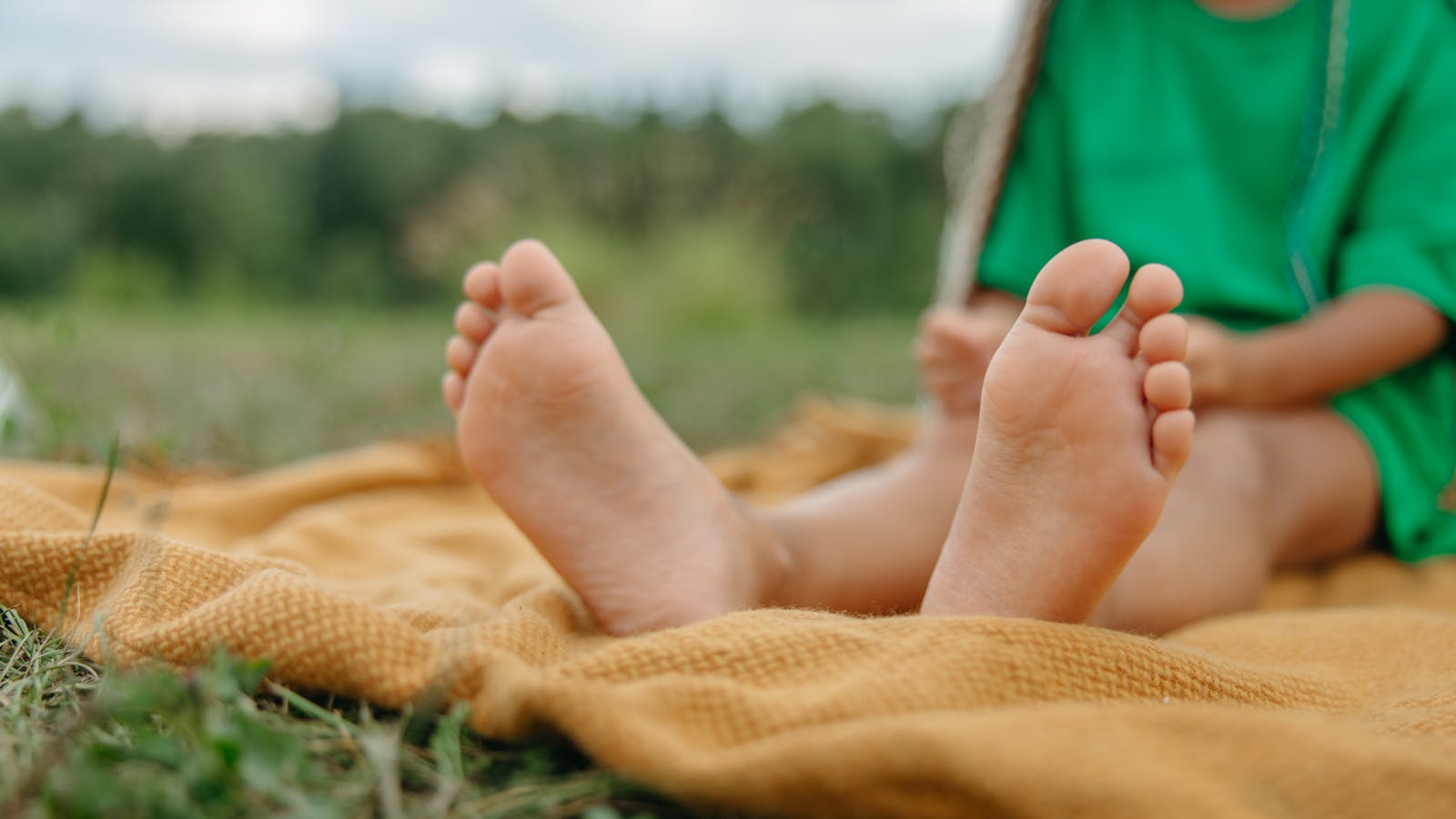
Plantar warts are one of the most common foot problems in children. They're caused by a strain of HPV that loves warm, damp environments — pool decks, gym showers, shared bathmats. They're contagious, but most kids' immune systems eventually clear them on their own, sometimes after a year or two.
How to spot one
- Usually on the bottom of the foot, often on a pressure point
- Rough, callus-like surface
- Often has small black dots inside (tiny blood vessels, not 'seeds')
- Hurts when pinched side-to-side, more than pressed straight down
When to leave it alone
If the wart is small, not painful, and not spreading, watchful waiting is reasonable. Many disappear on their own in 12–24 months. Keep feet clean and dry, wear flip-flops in shared showers, and don't share towels.
When to treat
- Pain when walking or playing sports
- Multiple warts appearing in a cluster
- Spread to other family members
- The wart has been there over 18 months with no change
- Your child is self-conscious about it
What actually works
Over-the-counter salicylic acid patches work for some warts if used consistently for weeks. Freezing (cryotherapy) is the classic clinic option but can be uncomfortable for kids. Laser wart removal is another option: a focused beam heats the wart and seals the small blood vessels feeding it, prompting the immune system to clear what's left. It's precise, doesn't require numbing for most people, and there's no downtime afterward.
Have something specific going on?
The first consultation is free. Pick a service or just send a message — I'll get back to you with times.
- Plantar Wart Removal (Laser)Learn more →$100–$130 · 30–40 min